Home Window Tint: The Complete Guide
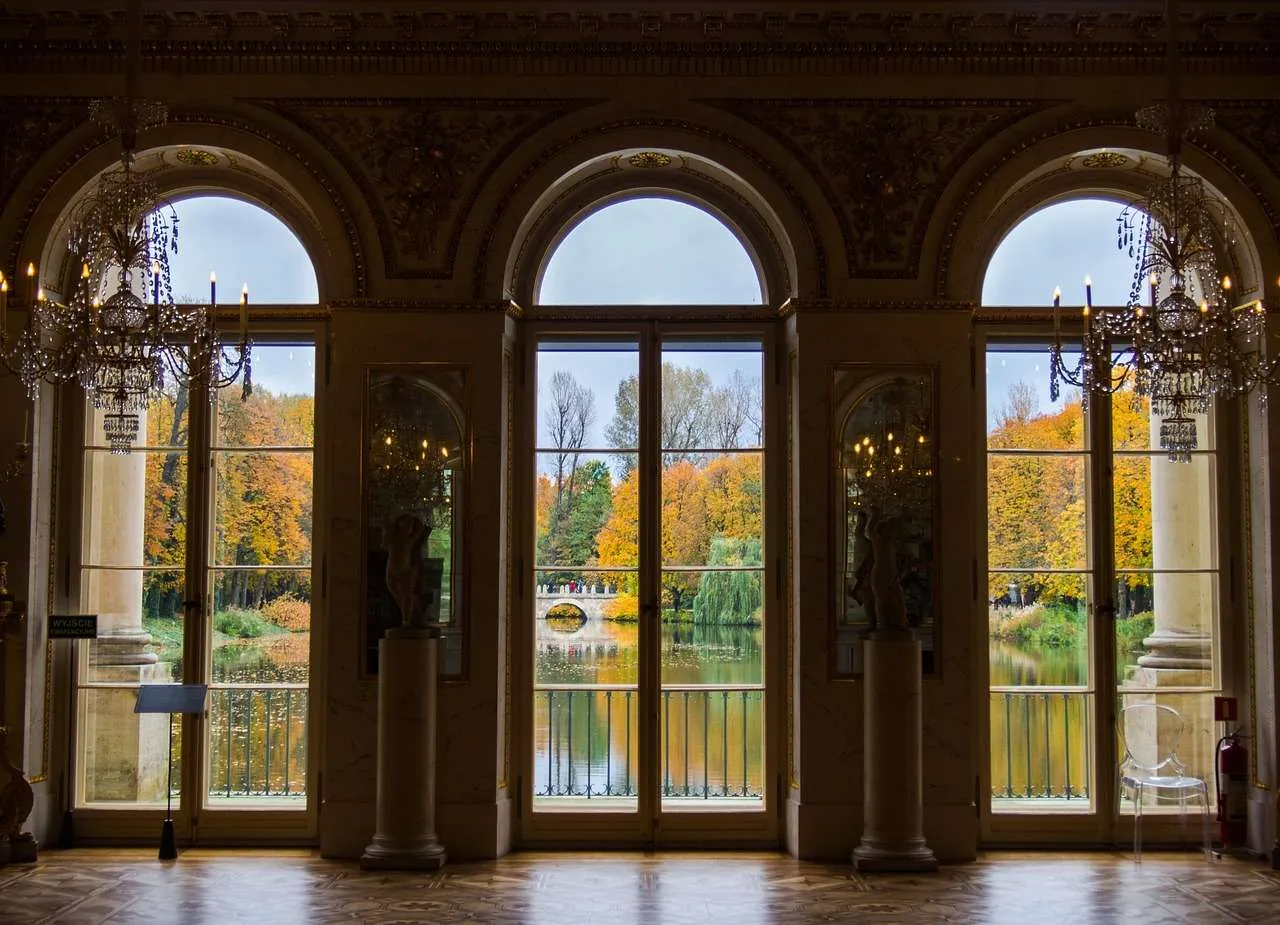
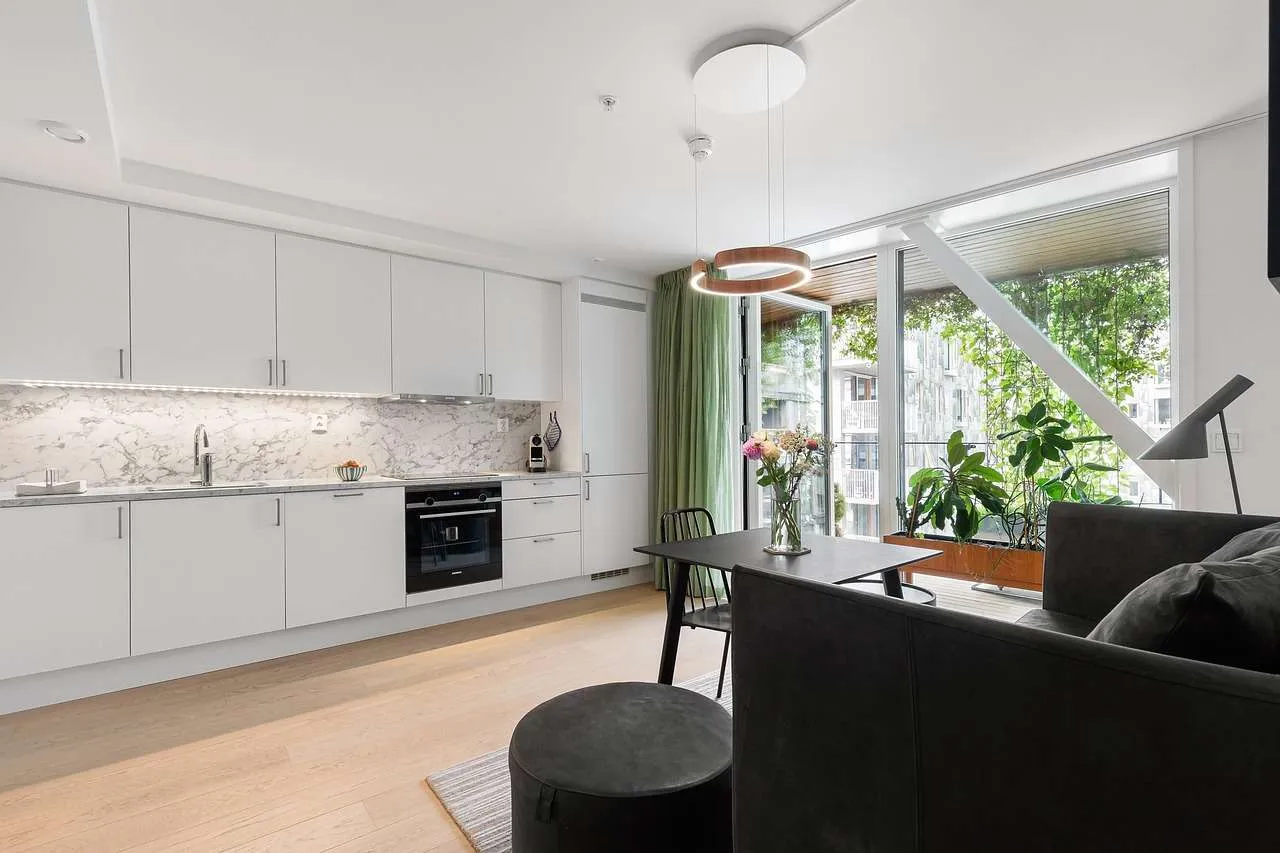
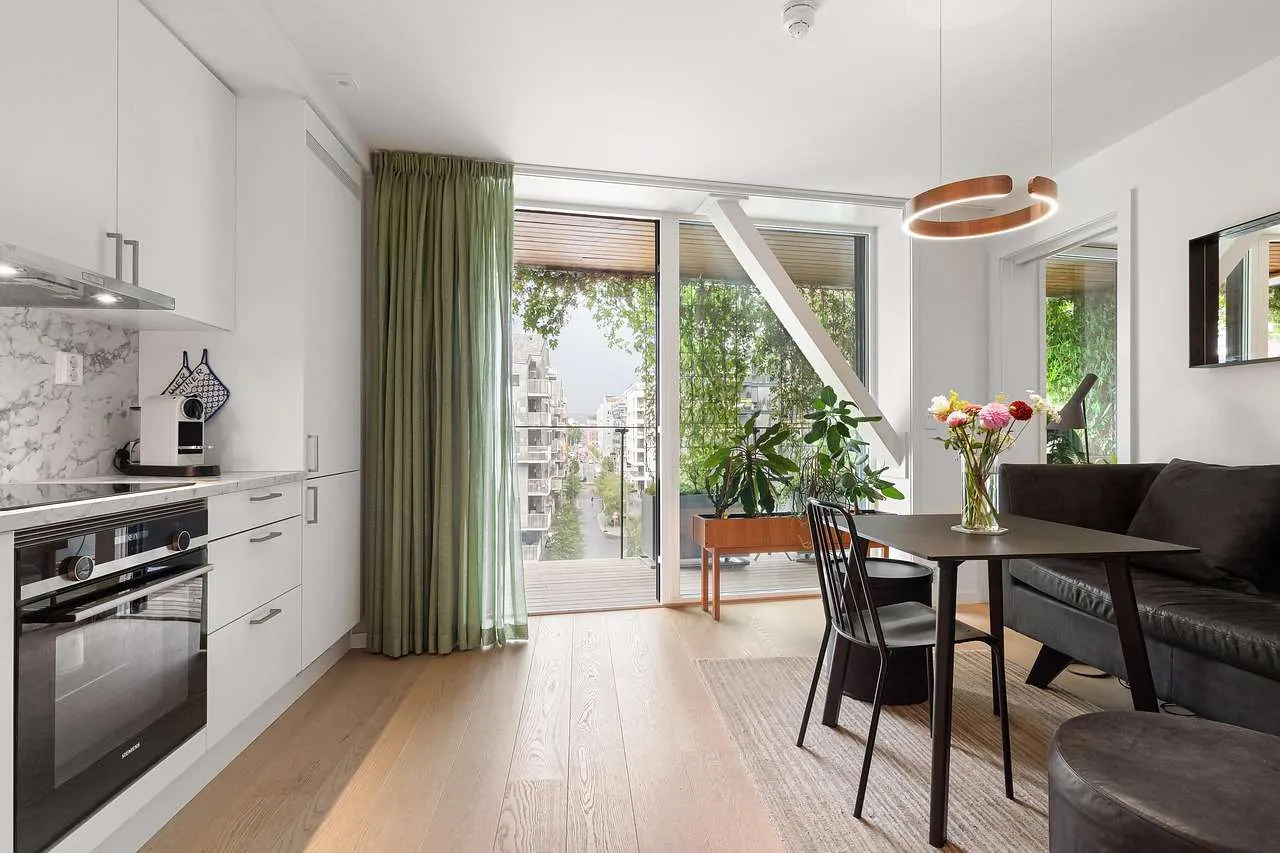
Home window tint is a thin film applied to the interior of glass to control heat, glare, and privacy. For homeowners, choosing the right tint can lower energy costs, protect furnishings, and improve comfort. This guide covers what home window tint is, its benefits, the main tint types, how to choose, installation options, and maintenance tips to help you make an informed decision.
What is home window tint?
Definition and mechanism: The film reduces solar heat transfer by absorbing or reflecting sunlight while maintaining natural light. Some films block UV rays up to 99% and limit glare. Film also holds up against shattering in many cases and can be installed on most standard residential windows.
Benefits of home window tint
Energy savings and comfort
By reducing heat gain in summer and retaining warmth in winter, tint improves indoor comfort and lowers HVAC load, which can show up as smaller energy bills over time.
UV protection and fading reduction
Most high-quality films block 99% of UV-A and UV-B rays, protecting flooring, furniture, and artwork from fading.
Privacy and glare control
Tint increases privacy during the day and minimizes glare on screens, making living rooms and home offices more usable.
Safety and security
Some window films hold shards together when broken, offering an added layer of security and safety for households with children or in hurricane-prone regions.
Types of home window tint
Dyed films
Inexpensive and effective for reducing heat and glare, but can fade over time and may not offer the strongest durability.
Metalized films
These films incorporate metal particles to reflect heat and improve strength, but may interfere with electronics and GPS signals in certain configurations.
Ceramic films
High-performance, non-metallic, excellent heat rejection, strong UV protection, and minimal signal interference; usually more costly but durable and long-lasting.
Carbon films
Carbon-based tint that reduces solar heat without adding metallic shine; offers good heat rejection and good clarity.
How to choose the right home window tint
Climate and sun exposure
Hot, sunny climates benefit from higher heat-rejection ratings; cooler regions may prioritize glare reduction or privacy.
Glass type and existing coatings
Double- or triple-pane glass, laminated glass, and existing coatings affect installation and performance. Some films require professional prep and curing.
Local laws and HOA rules
Check permitted VLT ranges and reflectivity in your area to avoid fines or restrictions; laws vary by jurisdiction and association.
Budget and warranty
Higher-performance films cost more but offer superior durability and longer warranties; compare manufacturer warranties and installation guarantees.
Installation options
DIY tint kits
Do-it-yourself kits can work for small or straightforward panes, but require careful surface prep, cutting, and squeegeeing to avoid bubbles and peeling.
Professional installation
A professional installer ensures proper cleaning, alignment, curing, and warranty coverage. They can tailor tint shade and UV protection to your goals and climate.
Maintenance and care
Clean with soft cloths and non-ammonia cleaners to preserve coatings. Avoid abrasive tools. Regular inspections help identify air pockets or edge lift early.
Comparison at a glance
| Tint Type | Heat Rejection | UV Rejection | Visible Light Transmission (VLT) | Durability | Typical Cost |
|---|---|---|---|---|---|
| Dyed | Moderate | High | 35–60% | Moderate, may fade | $5–$8/sq ft |
| Metalized | High | Very high | 20–55% | Good, potential glare/reflectivity | $6–$9/sq ft |
| Ceramic | Very high | Very high | 40–75% | Excellent | $8–$12/sq ft |
| Carbon | High | Very high | 40–70% | Excellent | $7–$12/sq ft |
Choosing the right home window tint involves balancing heat control, light, privacy, cost, and warranty. A reputable installer can help you select shade levels that preserve interior aesthetics while meeting energy and comfort goals.
Summary: Home window tint can deliver noticeable energy savings, UV protection, privacy, and safety when you pick the right film type and rely on professional installation or skilled DIY methods. By considering climate, glass type, local regulations, and budget, homeowners can achieve durable results that enhance comfort and protect furnishings.