Metal Roofing Panels: Durability, Choices & Value
Metal roofing panels offer exceptional durability, energy efficiency, and design flexibility for both residential and commercial projects. With advances in materials, coatings, and installation methods, metal panels can outlast traditional roofs while delivering long-term value. This article explains the key types, coatings, performance, and practical considerations to help homeowners and builders make informed decisions.
What are metal roofing panels?
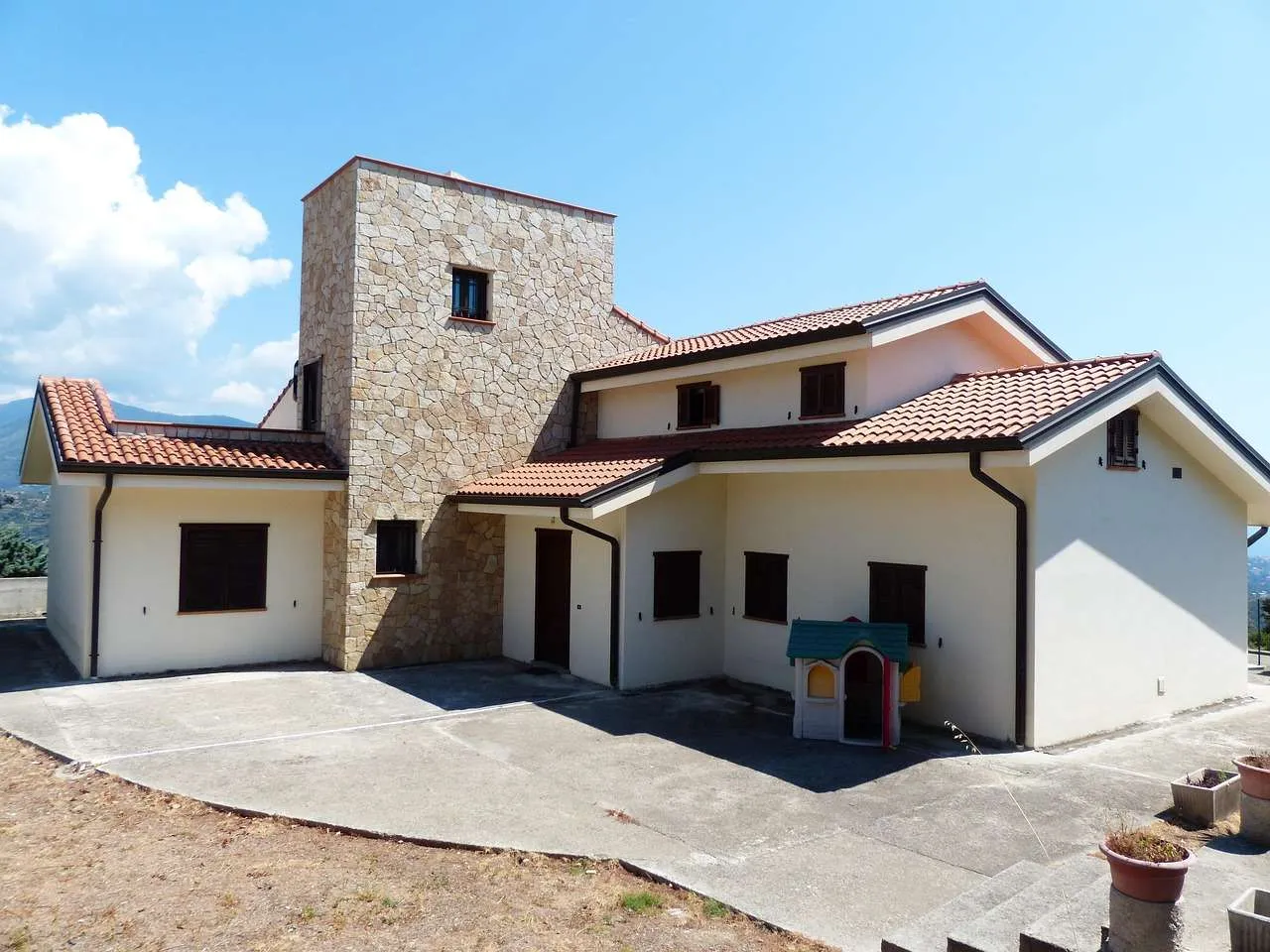
Metal roofing panels are sheets formed into durable panels installed over a roof structure. They come in profiles such as standing seam and exposed fastener, and they can be made from steel or aluminum. Substrates and protective coatings are chosen to optimize corrosion resistance, color retention, and wind performance in a given climate.
Common materials and coatings
Steel panels are often galvanized or coated with galvalume, then finished with polymer or PVDF coatings. Aluminum panels resist corrosion naturally and perform well in coastal environments. The coating system matters: PVDF coatings (often marketed as Kynar 500 or Hylar 5000) provide superior color retention and gloss, typically backed by longer warranties. Polyesters and silicone-modified polyesters offer lower cost but may require more maintenance over time. The coating choice influences appearance, weather resistance, and the overall lifespan of the roof.
Types of metal roofing panels
Standing seam panels feature concealed fasteners and interlocking seams, delivering a sleek, modern look and strong wind uplift resistance. Exposed fastener panels have visible fasteners with washers, offering a cost advantage and a wide range of profiles. They can be equally durable when properly installed and maintained, but the exposed screws may require more attention in harsh climates.
Material and profile options
Typical profiles include standing seam, batten seam, and ribbed or corrugated panels. Common substrates are steel (galvanized or galvalume) and aluminum, with gauges often ranging from 26 to 29 for residential projects. Color palettes run from neutral tones to bold hues, with energy-efficient reflective finishes available for heat mitigation in hot climates.
Performance and maintenance
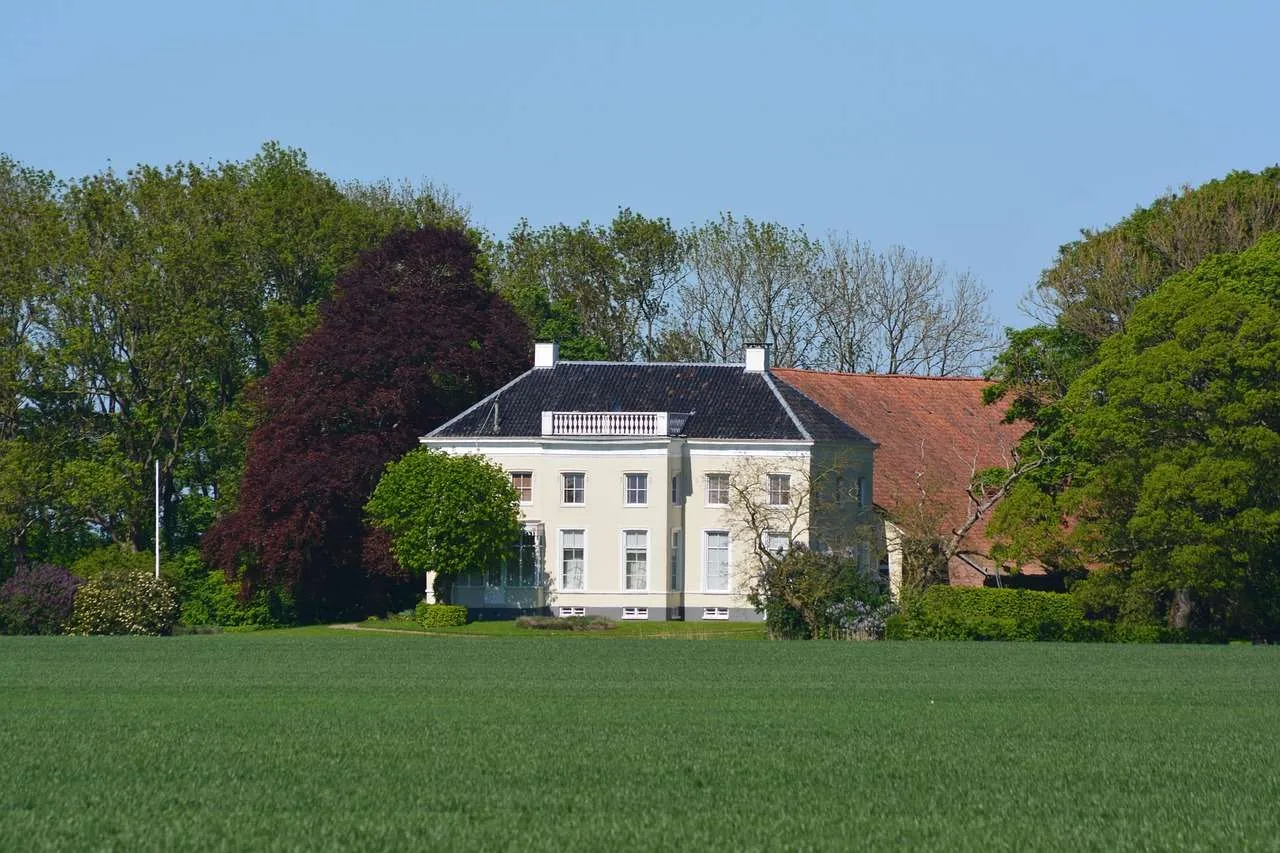
Metal roofing panels offer excellent fire resistance, hail resistance, and wind uplift performance when installed to code. They are less prone to cracking or curling than asphalt shingles and can often be repaired by replacing a damaged panel rather than a full roof replacement. Maintenance is generally modest: periodic cleaning, checking fasteners for tightness, and addressing damaged areas promptly can preserve performance. In coastal or high-salt environments, extra attention to fasteners and sealants helps prevent corrosion.
Choosing metal roofing panels
Begin with climate, roof geometry, and building use. A qualified installer will verify the substrate, install proper underlayment, and ensure correct sealants and flashings. Panel gauge, coating type, and profile influence longevity and cost. For harsher climates or marine exposure, aluminum or steel with a premium PVDF coating tends to outperform cheaper options. Warranty terms usually cover finish integrity for 30–50 years and panel performance for 30–50 years, though labor coverage is often shorter and varies by manufacturer.
Cost, warranties, and value
Initial costs for metal roofing panels are typically higher than asphalt shingles, but the long-term value is strong due to durability, energy savings, and reduced maintenance. Installed prices depend on panel type, gauge, coating, and regional labor rates. When evaluating, compare total cost of ownership over decades, including warranty terms, potential tax incentives, and energy efficiency benefits from reflective coatings and additional insulation.
Comparison of popular panel types
| Feature | Standing seam | Exposed fastener |
|---|---|---|
| Appearance | Sleek, continuous seam | Visible fasteners |
| Fastening | Concealed | |
| Wind uplift resistance | Excellent | |
| Maintenance | Low; occasional seam sealant | |
| Initial cost | Higher | |
| Durability | Very high |
Installation considerations
Work with a contractor who specializes in metal roofs and understands your chosen panel system. Ensure the roof deck is sound, the underlayment is appropriate for metal roofing, and that flashing details are designed to prevent leaks at hips, valleys, and roof penetrations. Proper fasteners and sealants for your climate are essential, and a professional installation helps maximize wind resistance and the intended service life.
Documentation matters. Request installation guidelines, warranty registration, and references. A well-documented installation often correlates with a better, longer-lasting performance, especially in areas with extreme weather.
Summary, metal roofing panels deliver long-term protection, energy efficiency, and design versatility. By selecting the right material (steel or aluminum), coating (PVDF), profile (standing seam or exposed fastener), and a qualified installer, you can achieve decades of reliable performance while maintaining curb appeal and resale value.